
Bodyboard Length Guide: Finding the Perfect Ride
Navigating the world of bodyboarding requires selecting the correct board length‚ crucial for performance and enjoyment.
Consider weight‚ height‚ and riding style when choosing a board‚ referencing manufacturer charts for optimal sizing.
Proper length enhances maneuverability‚ stability‚ and overall wave-riding experience.
Understanding Bodyboard Sizing Basics
Bodyboard sizing isn’t a one-size-fits-all scenario; it’s a nuanced process dependent on several key factors. Primarily‚ length dictates performance characteristics‚ influencing maneuverability and speed. Beginners often benefit from longer boards‚ providing increased stability and easier paddling. Conversely‚ experienced riders frequently opt for shorter lengths to enhance responsiveness and execute advanced maneuvers.
Crucially‚ weight is a primary determinant. Heavier riders require longer boards to support their mass and maintain buoyancy‚ while lighter riders need shorter boards for control. Height also plays a role‚ correlating with arm reach and paddling power. Manufacturer size charts‚ though helpful‚ should be viewed as guidelines‚ as individual preferences and riding styles vary.
Furthermore‚ understanding core materials (PE‚ PP‚ EPS) impacts flex and responsiveness‚ subtly influencing optimal length choices. Considering these basics ensures a more informed decision‚ leading to a better connection with the wave and a more enjoyable bodyboarding experience. Don’t hesitate to consult reviews!
The Importance of Bodyboard Length
Bodyboard length is arguably the most critical factor influencing performance. A correctly sized board dramatically impacts paddling efficiency‚ wave catching ability‚ and overall control. Too short a board can feel unstable and difficult to paddle‚ leading to missed waves and frustrating wipeouts. Conversely‚ an overly long board can feel sluggish and unresponsive‚ hindering maneuverability.
Length directly affects the board’s surface area‚ influencing buoyancy and speed. More surface area (longer board) provides greater floatation‚ beneficial for smaller waves or heavier riders. Less surface area (shorter board) allows for quicker turns and more agile riding in larger‚ more powerful conditions. The ideal length strikes a balance between these factors‚ tailored to the rider’s weight‚ height‚ and skill level.
Ultimately‚ choosing the right length unlocks a rider’s potential‚ enabling them to progress and enjoy the sport to the fullest. Ignoring this crucial aspect can significantly limit performance and hinder the overall bodyboarding experience.
Bodyboard Length and Rider Weight
Rider weight is a primary determinant when selecting bodyboard length. Lighter riders (under 130 lbs) generally require shorter boards to maintain maneuverability and prevent the board from feeling unwieldy. Heavier riders (170+ lbs) benefit from longer boards‚ providing increased buoyancy and stability‚ crucial for paddling and wave catching.
A general guideline suggests riders between 130-170 lbs can comfortably use boards within the standard length range‚ adjusting slightly based on height and skill. It’s vital to avoid a board that feels too buoyant‚ causing difficulty in controlling the nose‚ or one that sinks too easily‚ hindering paddling speed.
Consider that weight distribution also plays a role. Riders with a lower center of gravity might prefer slightly shorter boards‚ while those with a higher center of gravity may benefit from added length for stability. Always consult manufacturer size charts‚ as they often categorize recommendations based on weight ranges.
Bodyboard Length and Rider Height
Rider height significantly influences the ideal bodyboard length‚ working in tandem with weight to determine the optimal size. Taller riders generally require longer boards to accommodate their body proportions and provide sufficient support during paddling and wave riding. Shorter riders typically benefit from shorter boards‚ enhancing maneuverability and control.
As a general rule‚ riders under 5’3” often find boards in the 38-40 inch range suitable‚ while those between 5’3” and 5’8” may prefer 40-42 inch boards. Riders exceeding 5’8” usually opt for boards 42 inches or longer. However‚ these are merely starting points; individual preferences and skill levels matter.
It’s crucial to consider the relationship between height and weight. A taller‚ lighter rider might require a board length closer to what a shorter‚ heavier rider would choose. Always prioritize a board that feels comfortable and allows for effortless paddling and responsive wave riding. Referencing manufacturer charts is highly recommended.

Detailed Bodyboard Length Chart
This comprehensive chart correlates rider weight and height with recommended bodyboard lengths‚ offering a precise guide for selecting the perfect board.
Utilize it for optimal performance!
Bodyboard Length for Beginners (Under 130 lbs)
For aspiring bodyboarders weighing under 130 pounds‚ selecting the right length is paramount for a successful and enjoyable learning curve. Generally‚ beginners benefit from slightly longer boards‚ as they provide increased stability and buoyancy‚ making paddling and catching waves significantly easier. A board length ranging from 38 to 42 inches is typically recommended for this weight class.
This extra length aids in maintaining control and prevents the board from sinking too easily‚ fostering confidence in the water; Shorter boards‚ while more maneuverable for experienced riders‚ can be challenging for beginners to manage. Consider a wider board as well‚ as it further enhances stability. Remember to consult manufacturer size charts‚ as variations exist between brands. Prioritizing stability over advanced maneuvers is key during the initial stages of learning to bodyboard‚ and a properly sized board will greatly contribute to a positive experience.
Bodyboard Length for Intermediate Riders (130-170 lbs)
Intermediate bodyboarders‚ weighing between 130 and 170 pounds‚ can begin to explore a wider range of board lengths‚ balancing stability with increased maneuverability. This stage involves refining technique and attempting more advanced maneuvers‚ requiring a board that responds to subtle shifts in weight and body position. A recommended length falls within the 39 to 43-inch range‚ offering a sweet spot between control and responsiveness.
Riders at the lower end of this weight spectrum (closer to 130 lbs) might lean towards the shorter end of the range‚ while those closer to 170 lbs may prefer a slightly longer board. Experimentation is key to finding the perfect fit. Consider the type of waves typically ridden; smaller‚ softer waves benefit from slightly more length‚ while steeper‚ more powerful waves allow for a shorter‚ more agile board. Don’t hesitate to consult size charts and read reviews to gain insights from other riders.
Bodyboard Length for Advanced Riders (170+ lbs)
Advanced bodyboarders‚ typically weighing 170 pounds or more‚ require boards that provide substantial support‚ stability‚ and the ability to handle powerful waves. These riders are often executing complex maneuvers like rolls‚ spins‚ and cutbacks‚ demanding a board that can withstand high-impact landings and maintain control at speed. A length range of 42 to 46 inches is generally recommended‚ though individual preferences and wave conditions play a significant role.
Heavier riders or those prioritizing stability in larger surf should opt for the longer end of the spectrum. Conversely‚ riders focused on aerial maneuvers and quick turns may prefer a slightly shorter board for increased agility. Core material also becomes crucial; advanced riders often choose PP (Polypropylene) cores for enhanced responsiveness and durability. Remember to consider board width and thickness alongside length for a truly customized fit‚ maximizing performance and enjoyment in challenging conditions.
Bodyboard Length Based on Height – A Quick Reference
For a quick starting point‚ bodyboard length can be estimated based on rider height. This provides a general guideline‚ but remember that weight and skill level are equally important factors. Riders between 5’3” and 5’6” typically find boards in the 38-40 inch range suitable. Those ranging from 5’7” to 5’10” generally benefit from lengths between 40 and 42 inches.
Individuals taller than 5’10”‚ up to around 6’0”‚ usually ride boards measuring 42 to 44 inches. For riders exceeding 6’0”‚ lengths of 44 to 46 inches or even longer may be necessary to ensure adequate support and control. This chart serves as a convenient reference‚ but always prioritize a board that feels comfortable and allows for optimal performance. Consulting manufacturer size charts and considering individual body composition will refine the selection process‚ leading to the perfect ride.
Beyond Length: Other Key Bodyboard Dimensions
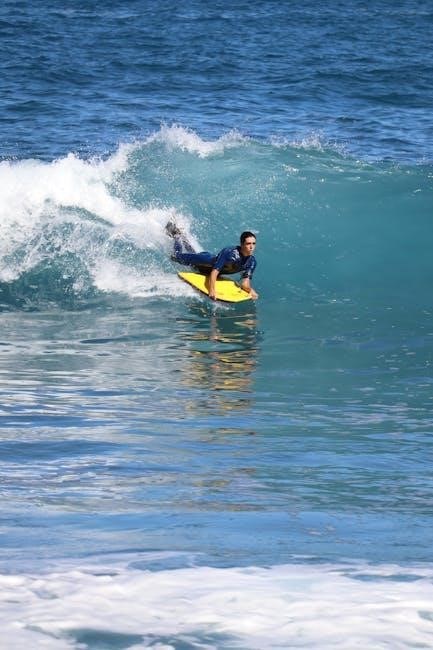
While length is vital‚ width and thickness significantly impact performance. Tail shape influences ride style‚ affecting maneuverability and control on various wave conditions.
Bodyboard Width and its Impact on Performance
Bodyboard width‚ often measured in inches‚ plays a crucial role in stability‚ maneuverability‚ and overall ride feel. Wider boards‚ generally ranging from 21 to 24 inches‚ offer increased stability‚ making them ideal for beginners and riders prioritizing control in larger waves or shore breaks. This added surface area provides a more forgiving platform‚ reducing the likelihood of spin-outs and enhancing buoyancy.
Conversely‚ narrower boards‚ typically between 18 and 21 inches‚ prioritize maneuverability and responsiveness. These are favored by experienced riders seeking to perform advanced maneuvers like spins and rolls. The reduced width allows for quicker rail-to-rail transitions and a more dynamic riding experience. However‚ narrower boards can be less stable and require more rider input to maintain control.
The optimal width depends on rider weight‚ skill level‚ and preferred wave conditions. Heavier riders generally benefit from wider boards for increased floatation‚ while lighter riders may prefer narrower boards for enhanced maneuverability. Considering these factors alongside board length ensures a well-balanced and enjoyable bodyboarding experience.
Bodyboard Thickness: Choosing the Right Profile
Bodyboard thickness‚ measured in millimeters‚ significantly impacts buoyancy‚ flex‚ and overall ride characteristics. Thicker boards (over 1.25 inches) provide greater buoyancy‚ making them suitable for heavier riders or those riding in smaller‚ weaker waves. This added thickness also contributes to a softer‚ more forgiving flex‚ enhancing comfort and control.
Thinner boards (under 1 inch) offer increased responsiveness and a more direct connection to the wave. They are favored by experienced riders seeking a dynamic and performance-oriented ride. The reduced thickness allows for quicker rail-to-rail transitions and a more sensitive feel for wave contours. However‚ thinner boards can be less forgiving and require more rider input.
The ideal thickness depends on rider weight‚ skill level‚ and wave conditions. A moderate thickness (1 to 1.25 inches) provides a balance of buoyancy and responsiveness‚ suitable for a wide range of riders and wave types. Considering thickness alongside length and width ensures optimal performance and enjoyment.
Tail Shape and its Influence on Ride Style
Bodyboard tail shape dramatically influences maneuverability‚ control‚ and overall ride style. Crescent tails are the most common‚ offering a versatile balance of control and responsiveness‚ suitable for all-around riding and various wave conditions. They provide a good blend of release for turns and hold for stability.
Bat tails feature a wider‚ more squared-off shape‚ delivering enhanced hold and drive‚ particularly in powerful waves. This design excels in generating speed and maintaining control during steep drops and critical sections. Bat tails are favored by experienced riders seeking a more aggressive and powerful ride.
V-shaped tails offer the loosest feel‚ allowing for quick and responsive turns. They are ideal for playful riding and performing aerial maneuvers. However‚ V-tails can be less stable than other tail shapes and require more rider input. Selecting the appropriate tail shape‚ alongside length and width‚ optimizes performance based on individual preferences and wave characteristics.

Bodyboard Core Materials and Length Considerations
Core material impacts flex and performance; PE cores are affordable and soft‚ PP offers a balance‚ and EPS provides lightweight responsiveness.
Length selection should align with core type for optimal riding.
PE (Polyethylene) Core Bodyboards & Length
Polyethylene (PE) core bodyboards are the most common and budget-friendly option‚ making them ideal for beginners. PE cores offer a softer‚ more forgiving flex‚ which is excellent for learning and absorbing impacts in shore break conditions. However‚ this softness also means they are less responsive and don’t generate as much speed as other core types.
When choosing a PE core bodyboard length‚ prioritize a slightly shorter board. This increased maneuverability helps beginners control the board and learn essential techniques. For riders under 5’4” (163cm)‚ a board length between 38” and 40” is generally suitable. Riders between 5’4” and 5’10” (163cm-178cm) should consider lengths from 40” to 42”‚ while those taller than 5’10” may benefit from a 42” or 43” board.

Remember that PE cores are less durable than PP or EPS cores‚ so expect to replace them more frequently with regular use. Despite this‚ their affordability and forgiving nature make them a fantastic starting point for anyone entering the world of bodyboarding.
PP (Polypropylene) Core Bodyboards & Length
Polypropylene (PP) core bodyboards represent a step up in performance from PE cores‚ offering a balance of flex‚ responsiveness‚ and durability. PP cores are stiffer‚ providing more projection and speed when riding waves‚ making them suitable for intermediate to advanced riders. They’re also more resistant to waterlogging‚ extending the board’s lifespan.
With a PP core‚ you can generally opt for a slightly longer board compared to a PE core‚ as the increased stiffness provides more control. For riders under 5’4” (163cm)‚ a 39” to 41” board is a good starting point. Those between 5’4” and 5’10” (163cm-178cm) should look at lengths from 41” to 43”‚ and taller riders (over 5’10”) may prefer a 43” or even 44” board.
PP cores are a versatile choice for various wave conditions and riding styles. They offer a noticeable improvement in performance without the higher price tag of EPS cores‚ making them a popular option for progressing bodyboarders.
EPS (Expanded Polystyrene) Core Bodyboards & Length
Expanded Polystyrene (EPS) core bodyboards represent the pinnacle of performance‚ favored by advanced riders seeking maximum responsiveness and maneuverability. EPS cores are incredibly lightweight and offer the most flex‚ allowing for dynamic turns and aerial maneuvers. However‚ they are also the most fragile and prone to waterlogging‚ requiring careful maintenance.
Due to their exceptional flex‚ EPS boards often require a slightly shorter length compared to PE or PP cores. Riders under 5’4” (163cm) can comfortably ride a 38” to 40” EPS board. Those between 5’4” and 5’10” (163cm-178cm) should consider 40” to 42” lengths‚ while taller riders (over 5’10”) may opt for a 42” or 43” board.
EPS cores excel in hollow‚ powerful waves where quick reactions and precise control are essential. They are not ideal for beginners or choppy conditions‚ as their sensitivity can make them challenging to control. Investing in a quality EPS board demands commitment to proper care and maintenance.
Specific Bodyboard Styles and Length Recommendations
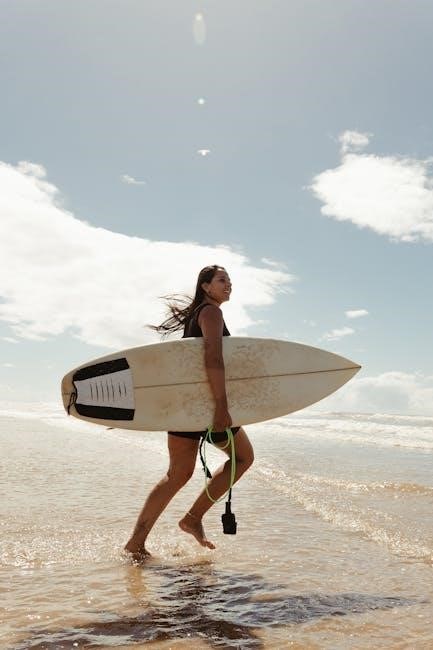
Different bodyboarding disciplines necessitate varied board lengths; wave riding prioritizes maneuverability‚ drop knee favors stability‚ and shore break demands impact absorption.
Choose wisely!
Wave Riding Bodyboards: Length for Maneuverability
For wave riding‚ bodyboard length directly impacts maneuverability and responsiveness. Shorter boards‚ typically ranging from 38 to 41 inches‚ are favored by experienced riders seeking quick turns and agile performance on various wave types. These lengths allow for tighter arcs and faster reactions to changing wave conditions‚ enabling advanced maneuvers like spins and rolls.
However‚ shorter boards can sacrifice some stability‚ requiring a higher skill level to control. Intermediate riders might opt for lengths in the 40 to 42-inch range‚ striking a balance between maneuverability and stability. Consider your weight and height; lighter riders generally benefit from shorter boards‚ while heavier riders may prefer slightly longer options for increased control.
Ultimately‚ the ideal length depends on your riding style and experience. Experimentation is key to finding the sweet spot that allows you to maximize your performance and enjoy the thrill of wave riding. Don’t hesitate to consult size charts and seek advice from experienced bodyboarders.
Drop Knee Bodyboards: Length for Stability
Drop knee bodyboarding demands a board prioritizing stability and control‚ achieved through specific length considerations. Generally‚ drop knee riders benefit from longer boards‚ typically ranging from 42 to 48 inches‚ compared to prone riders. This extended length provides a larger platform for the knee to comfortably rest and exert control during turns and maneuvers.
The increased surface area enhances stability‚ particularly crucial when carving across the wave face in the drop knee position. Heavier riders or those seeking maximum stability should lean towards the longer end of this range. Conversely‚ lighter riders might find a 42-44 inch board sufficient.
Consider the wave type; larger‚ more powerful waves necessitate longer boards for enhanced control‚ while smaller waves allow for slightly shorter‚ more maneuverable options. Proper length ensures a secure and confident drop knee riding experience‚ maximizing performance and minimizing the risk of losing control.
Shore Break Bodyboards: Length for Impact Absorption
Shore break bodyboarding‚ characterized by powerful‚ close-out waves‚ necessitates a board designed for maximum impact absorption and durability. Shorter boards‚ typically ranging from 38 to 42 inches‚ are generally preferred for shore break riding due to their increased maneuverability in tight‚ critical sections.
However‚ length isn’t solely about agility; it also plays a role in cushioning impacts. A slightly longer board within this range – around 40-42 inches – can provide a larger surface area to distribute the force of the wave‚ reducing the risk of injury. This is particularly important for heavier riders or those new to shore break.
Consider core material; PE cores offer greater flexibility and impact absorption‚ ideal for aggressive shore break conditions. Prioritize boards with reinforced features‚ like deck protection‚ to withstand the constant pounding. Selecting the right length balances maneuverability with crucial impact protection for a safer‚ more enjoyable shore break experience.

Bodyboard Accessories and Size Compatibility
Essential accessories‚ like fins and leashes‚ must complement your bodyboard’s size for optimal performance.
Correct leash length ensures control‚ while fin selection impacts maneuverability and responsiveness during each ride.
Fin Selection and Bodyboard Length
Choosing the right fins is intrinsically linked to your bodyboard’s length and your riding style. Shorter bodyboards‚ typically favored by more agile riders focusing on maneuverability‚ often pair well with smaller‚ more flexible fins. These fins enhance responsiveness and allow for quicker turns and aerial maneuvers. Conversely‚ longer bodyboards‚ preferred by those prioritizing stability and speed‚ benefit from larger‚ stiffer fins.
Larger fins provide increased drive and control‚ particularly in powerful waves. Consider the fin’s shape as well; crescent fins offer a balance of control and maneuverability‚ while tapered fins are designed for speed and projection. The number of fins also plays a role – single fins offer a classic feel‚ while dual fins provide enhanced control and drive. Ultimately‚ matching fin size and style to your bodyboard length and riding preferences is crucial for maximizing performance and enjoyment in the water. Experimentation is key to finding the perfect combination!
Leash Length and Bodyboard Size
Selecting the appropriate leash length is paramount for safety and control‚ directly correlating with your bodyboard’s size. A general rule of thumb is to choose a leash that’s approximately the same length as your bodyboard‚ or slightly longer. Shorter bodyboards (under 40 inches) typically require leashes in the 6-7 foot range‚ while standard-sized boards (40-44 inches) benefit from 7-8 foot leashes.
Longer bodyboards‚ exceeding 44 inches‚ often necessitate 8-9 foot leashes to ensure sufficient reach and prevent the board from drifting too far away after a wipeout. A leash that’s too short can restrict movement and increase the risk of being pulled underwater‚ while an excessively long leash can become tangled and cumbersome. Consider your wave size and riding conditions; larger waves may warrant a slightly longer leash for added security. Prioritize a comfortable and secure connection to your board for a confident ride.
Bodyboard Bags and Transport Considerations
Protecting your investment requires a suitable bodyboard bag‚ especially during travel and storage. Bags come in various sizes‚ designed to accommodate single or multiple boards‚ along with fins and accessories. When selecting a bag‚ ensure it comfortably fits your bodyboard’s length; a snug fit prevents shifting during transport‚ minimizing potential damage.
Consider padded bags for enhanced protection‚ particularly if you frequently fly or use public transportation. Backpack-style bags offer convenient hands-free carrying‚ while wheeled bags simplify navigation through airports. For multiple boards‚ consider a larger travel bag with internal dividers. Remember to account for fin space – some bags have dedicated fin compartments. Proper storage prevents dings‚ pressure dents‚ and UV damage‚ extending your bodyboard’s lifespan. Always allow the bag to dry completely before storing to prevent mildew.
Troubleshooting Bodyboard Size Issues
Addressing sizing concerns involves checking manufacturer charts‚ considering weight and height‚ and potentially adjusting to a new length for improved performance and comfort on the waves.
What if Your Weight Falls Between Sizes?
Encountering a weight that lands between recommended bodyboard sizes is a common dilemma. Generally‚ it’s advisable to err on the side of a slightly shorter board‚ particularly if you prioritize maneuverability and are an experienced rider. A shorter board will be easier to turn and control‚ allowing for quicker responses to wave changes.
However‚ if you’re a beginner or prefer a more stable ride‚ opting for the longer size within the range might be beneficial. Increased length provides greater floatation and stability‚ making it easier to catch waves and maintain balance. Consider your riding style; aggressive‚ maneuver-focused riders often prefer shorter boards‚ while those seeking a relaxed‚ cruising experience may favor longer ones.
Furthermore‚ reviewing customer feedback for specific board models can offer valuable insights. Other riders with similar builds may have shared their experiences‚ providing practical guidance. Don’t hesitate to contact customer support for personalized recommendations based on your individual needs and preferences. Ultimately‚ a slight adjustment in riding technique can often compensate for being between sizes.
Adjusting to a New Bodyboard Length
Transitioning to a new bodyboard length requires a period of adjustment‚ as it impacts your paddling‚ wave catching‚ and overall riding feel. If you’ve moved to a shorter board‚ expect increased maneuverability but potentially less floatation‚ demanding quicker paddling and more precise positioning. Focus on generating speed through efficient arm strokes and maintaining a streamlined body position.
Conversely‚ adapting to a longer board involves leveraging its increased stability and floatation. You may find it easier to catch waves‚ but turns might feel less responsive. Concentrate on utilizing your body weight and rail control to initiate turns effectively. Experiment with different foot placements to find the optimal balance point.

Be patient with yourself during this process. Start in smaller waves to build confidence and gradually progress to larger conditions. Pay attention to how the board responds to your movements and make subtle adjustments to your technique. Remember‚ a slight shift in body positioning or paddling style can significantly improve your performance with a new length;
Understanding Manufacturer Size Charts
Manufacturer size charts are invaluable tools when selecting a bodyboard‚ but it’s crucial to understand they aren’t universally standardized. Each brand may employ slightly different measurements and recommendations. Typically‚ charts correlate rider weight and height to suggested board lengths‚ often expressed in inches. Some charts also incorporate skill level‚ offering guidance for beginners‚ intermediate‚ and advanced riders.

Pay close attention to the specific units used – centimeters versus inches – and ensure accurate conversion if necessary. Note that some manufacturers provide Mondopoint values‚ a measurement system commonly used in footwear‚ which may differ from their stated size charts. Always prioritize weight as the primary factor‚ as it directly impacts floatation.
Remember that these charts serve as starting points. Individual preferences and riding styles can influence the ideal board length. Consulting customer reviews and seeking advice from experienced bodyboarders can provide valuable insights beyond the manufacturer’s recommendations. Don’t hesitate to contact customer support for clarification.