
Bella Pressure Cooker Instruction Manual: A Comprehensive Guide
This manual provides detailed guidance for operating your Bella Pressure Cooker, covering safety, setup, cooking functions, and maintenance for optimal performance.
Bella offers versatile cooking with pre-programmed settings and manual controls, adapting recipes from various sources, including those designed for Instant Pot.
Download the 90073 model’s instruction manual online for a Pro Series 8 QT multi-cooker, ensuring safe and efficient use of your kitchen appliance.
Welcome to the world of convenient and efficient cooking with your new Bella Pressure Cooker! This appliance is designed to simplify meal preparation, offering a versatile solution for a wide range of dishes.
Bella pressure cookers combine speed and precision, allowing you to create flavorful meals in a fraction of the time compared to traditional cooking methods.
While recipes often correlate with Instant Pot models, the Bella cooker boasts unique features and functionalities. This guide will help you navigate these, adapting existing recipes and maximizing your cooking experience.
Explore pre-programmed settings and manual controls to unlock a world of culinary possibilities, from tender meats to perfectly cooked grains and flavorful soups.
Understanding Your Model Number (e.g., 90073)
Your Bella Pressure Cooker’s model number, such as 90073, is crucial for accessing specific instructions and support resources. This number identifies the features and functionalities unique to your appliance.
Referencing the model number when downloading the instruction manual ensures you receive the correct documentation for your particular cooker. The 90073, for example, is a Pro Series 8 QT multi-cooker.
Knowing your model number is also essential when contacting customer support or ordering replacement parts, like sealing rings or inner pots. It streamlines the process and guarantees compatibility.
Locate the model number on the appliance itself, typically on a sticker located on the bottom or back of the unit, and keep it readily available for future reference.
Safety Precautions
Prioritize safety when using your Bella Pressure Cooker. Always ensure the lid is securely closed during operation, as applying pressure to an open door is dangerous.
Electrical safety is paramount; follow guidelines to prevent shocks and hazards. Never immerse the appliance in water or operate with a damaged cord.
Be cautious of hot surfaces and steam released during pressure release. Use oven mitts and avoid placing hands or face near the steam vent.
Read all instructions thoroughly before first use and adhere to recommended safety measures for optimal and secure cooking experiences.
Important Safety Instructions
To prevent injury, always inspect the sealing ring and pressure valve before each use, ensuring they are clean and properly positioned. Never force the lid open while pressure remains inside.
Avoid overfilling the inner pot, as this can cause blockage of the steam release valve. Only use the appliance for its intended purpose – pressure cooking.
Keep the appliance away from flammable materials and ensure adequate ventilation during operation. Unplug the cooker when not in use and before cleaning.
Supervise children closely when the pressure cooker is in operation, and never allow them to operate it unsupervised.
Electrical Safety Guidelines
Ensure the voltage of your outlet matches the appliance’s specifications to prevent damage or fire hazards. Never operate the pressure cooker with a damaged cord or plug; seek professional repair.
Avoid using extension cords whenever possible; if necessary, use a heavy-duty extension cord rated for the appliance’s wattage. Do not immerse the cord, plug, or appliance in water.
Always unplug the pressure cooker from the outlet before cleaning or performing any maintenance. Never attempt to disassemble or repair the appliance yourself.
Grounding is essential for electrical safety; do not bypass or alter the grounding features of the plug.
Components and Parts Identification
Your Bella Pressure Cooker consists of several key components working in harmony. These include the pressure cooker lid, designed for a secure seal, and the accompanying sealing ring, crucial for maintaining pressure.
The inner pot, typically made of stainless steel, holds the food during cooking. The control panel features buttons for various functions, including pre-programmed settings and manual adjustments.
Essential parts also include the pressure valve, regulating internal pressure, and the steam release mechanism, ensuring safe pressure release. Familiarize yourself with each part for optimal use.
Pressure Cooker Lid and Sealing Ring
The Bella Pressure Cooker lid is engineered for a tight, secure closure, essential for building and maintaining internal pressure during operation. Proper alignment is critical for safe and effective cooking.
The sealing ring, typically made of silicone, creates an airtight seal between the lid and the pot. Inspect it regularly for cracks or damage, as a compromised seal can affect performance.
Ensure the sealing ring is correctly positioned within the lid groove before each use. Replacement rings are available to maintain optimal sealing and prevent pressure leaks.
Inner Pot – Material and Care
The Bella Pressure Cooker’s inner pot is commonly constructed from durable, non-stick coated aluminum, facilitating easy food release and cleanup. However, material can vary by model.
Hand washing is generally recommended to preserve the non-stick coating’s integrity, avoiding abrasive scrubbers or harsh detergents. Some models may be dishwasher safe, but check your manual.
Avoid using metal utensils directly on the coating to prevent scratches. Regular cleaning and careful handling will extend the lifespan of your inner pot, ensuring consistent cooking results.
Control Panel Overview
The Bella Pressure Cooker’s control panel features a digital display and various buttons for operation. Common functions include pre-programmed settings like ‘Soup,’ ‘Meat,’ and ‘Rice,’ offering convenient one-touch cooking.
Essential buttons typically encompass ‘Start,’ ‘Stop,’ ‘Delay Start,’ ‘Keep Warm,’ and pressure adjustment controls. Note that some Bella models lack dedicated ‘Manual’ or ‘Pressure Cook’ buttons.
Familiarize yourself with each button’s function to effectively navigate cooking options and customize settings for diverse recipes, adapting those originally intended for other brands.
Getting Started: Initial Setup
Before first use, thoroughly clean the inner pot, lid, and sealing ring with warm, soapy water. Inspect all components for any damage during shipping. Ensure the pressure valve is correctly installed and unobstructed.
Proper setup is crucial for safe operation. Place the pressure cooker on a stable, heat-resistant surface away from flammable materials. Confirm the sealing ring is properly seated within the lid’s rim.
A water test is recommended to verify functionality before cooking food, ensuring the unit seals correctly and pressure builds as expected, following the manual’s instructions.
First-Time Use – Cleaning and Testing
Initial cleaning involves washing the inner pot, lid, and sealing ring with warm, soapy water, then rinsing and drying completely. Inspect the steam release valve and float valve for obstructions, ensuring free movement for safe pressure regulation.
Testing the seal is vital; add a cup of water to the inner pot, close the lid securely, and select a pre-programmed setting or manual pressure cook for a short duration.
Observe for leaks or unusual noises during operation, indicating a potential issue with the sealing ring or lid closure. This confirms proper functionality before cooking food.
Water Test – Ensuring Proper Functionality
Perform a water test by adding one cup of water to the inner pot, securing the lid, and setting the cooker to ‘Pressure Cook’ on high for five minutes. This verifies the pressure builds correctly and the sealing ring creates a tight seal.
Monitor for any steam leaks around the lid during pressurization; a small amount is normal, but excessive leakage indicates a problem with the seal or lid alignment.
After the cycle, allow for natural pressure release, confirming the float valve drops when pressure is fully released, signifying safe opening of the lid.
Operating Instructions
Begin by adding ingredients to the inner pot, ensuring liquid levels meet minimum requirements for pressure cooking. Secure the lid, aligning the arrows and confirming the sealing ring is properly seated.
Select a pre-programmed setting for common foods or utilize manual pressure cooking, adjusting time and pressure based on your recipe. The Bella cooker lacks a dedicated ‘Pressure Cook’ button.
Monitor the cooking process, allowing for appropriate pressure release – natural or quick – before carefully opening the lid and enjoying your meal.
Using Pre-Programmed Settings
Bella Pressure Cookers feature convenient pre-programmed settings for popular dishes like soup, meat/stew, bean/chili, poultry, and rice. Simply select the desired function using the control panel buttons.
Adjust the cooking time as needed, utilizing the ‘Time’ buttons to increase or decrease duration. The pressure level is typically pre-set for each function, optimizing cooking results.
Ensure sufficient liquid is added, as pre-programmed settings assume a certain amount for proper pressure build-up and safe operation. Refer to recipe guidelines for specific liquid requirements.
Manual Pressure Cooking – Adjusting Time and Pressure
Unlike some models, Bella Pressure Cookers may lack dedicated ‘Manual’ or ‘Pressure Cook’ buttons; Instead, utilize the ‘Meat/Stew’ or similar functions as a base for manual control.
Adjust cooking time using the ‘Time’ buttons, increasing or decreasing in minute increments. While direct pressure level adjustment might be limited, cooking time influences the final result.
Experiment with time adjustments to achieve desired tenderness and flavor, considering the food type and quantity. Always ensure adequate liquid for safe pressure build-up during manual cooking.
Understanding the Control Panel Functions
The Bella Pressure Cooker’s control panel features pre-programmed settings for common dishes like soup, meat, and rice, simplifying the cooking process. Familiarize yourself with each function’s default time and pressure settings.
Key functions include ‘Delay Start’ for scheduled cooking and ‘Keep Warm’ to maintain food temperature after cooking completes. These features offer convenience and flexibility in meal preparation.
Explore the panel’s buttons for adjusting time, pressure (if adjustable on your model), and selecting desired settings. Refer to the manual for specific button functions and operation details.
Delay Start Function
The Delay Start function allows you to conveniently schedule cooking to begin at a later time, perfect for meal prepping or returning to a hot, ready-to-eat meal. This feature provides flexibility in your daily routine.
To utilize this function, first select your desired cooking program and settings. Then, use the ‘Delay Start’ button to set the desired delay time, specifying how many hours you want the cooking to be postponed.
Ensure the appliance is properly sealed and contains ingredients before activating the Delay Start, guaranteeing safe and efficient operation when cooking commences automatically.
Keep Warm Function
The Keep Warm function automatically activates after pressure cooking completes, maintaining food at an optimal serving temperature for extended periods without overcooking. This is ideal for busy schedules or delayed mealtimes.
Once cooking finishes, the pressure cooker will transition to Keep Warm mode, typically indicated on the control panel. The food will remain warm for up to several hours, ensuring it’s ready when you are.
To deactivate the Keep Warm function, simply press the ‘Keep Warm’ button, allowing the appliance to fully power down and prevent further heating of the cooked food.
Cooking with the Bella Pressure Cooker

Bella Pressure Cookers excel at efficiently preparing diverse dishes, from hearty stews to tender meats and flavorful grains. While lacking a dedicated ‘Pressure Cook’ button, adapting Instant Pot recipes is achievable by utilizing pre-programmed settings.
Consult pressure cooking time charts for common foods to determine appropriate cooking durations. Remember to adjust liquid levels based on the recipe and desired consistency, ensuring sufficient moisture for proper pressure build-up.
Layer ingredients strategically, placing denser items closer to the heat source for even cooking, maximizing the Bella cooker’s capabilities and delivering consistently delicious results.
Pressure Cooking Times for Common Foods
Determining precise cooking times requires considering your Bella model and desired tenderness. Generally, dried beans need 25-30 minutes at high pressure, followed by natural pressure release.
For tougher cuts of meat like beef chuck, 60-80 minutes at high pressure, then natural release, yields fall-apart results. Chicken breasts cook in approximately 8-12 minutes on high pressure with quick release.
Root vegetables such as potatoes and carrots take around 5-7 minutes at high pressure, while rice typically requires 3-5 minutes, depending on the variety and desired texture.
Recipes – Adapting Existing Recipes
Adapting recipes for your Bella Pressure Cooker often involves adjusting liquid amounts, as pressure cookers retain moisture effectively. Reduce liquids by approximately 25-30% compared to traditional methods.
Since the Bella cooker lacks a dedicated “Pressure Cook” or “Manual” button, utilize the pre-programmed settings, selecting the closest match to your dish. Monitor cooking times carefully.
Consider recipes originally designed for Instant Pot, but be prepared to experiment with timing and liquid levels to achieve optimal results with your Bella model’s unique characteristics.
Releasing Pressure: Methods Explained
Your Bella Pressure Cooker utilizes two primary pressure release methods: Natural Pressure Release (NPR) and Quick Pressure Release (QPR). NPR allows pressure to dissipate gradually, ideal for soups and stocks, preventing splattering.
QPR involves manually releasing pressure via the steam vent, suitable for foods where overcooking is a concern. Exercise caution during QPR, as steam is extremely hot.
Understanding these methods is crucial for recipe success and safety. Always refer to your recipe’s instructions regarding the appropriate pressure release technique for optimal results.
Natural Pressure Release (NPR)
Natural Pressure Release (NPR) is a hands-off method where the cooker cools down and pressure dissipates on its own. This process can take 10-30 minutes, depending on the food volume and liquid content.
NPR is ideal for soups, stews, beans, and larger cuts of meat, as it prevents sudden pressure changes that could cause food to become tough or splatter.
Simply allow the cooker to sit undisturbed after cooking completes; the pressure indicator pin will drop when pressure is fully released, signaling it’s safe to open the lid.
Quick Pressure Release (QPR)
Quick Pressure Release (QPR) involves manually releasing pressure by carefully venting steam through the pressure valve. Exercise extreme caution, as the steam is very hot and can cause burns.
To perform QPR, turn the pressure valve to the “Vent” position, using a long utensil to avoid burns. Steam will release rapidly, and the pressure indicator pin will drop.
QPR is best for foods that cook quickly or those that you don’t want to continue cooking in residual heat, like vegetables or delicate seafood.
Cleaning and Maintenance
Regular cleaning ensures your Bella Pressure Cooker remains safe and performs optimally. After each use, unplug the cooker and allow it to cool completely before cleaning.
The inner pot is typically dishwasher safe, but hand washing is recommended to prolong its life. The exterior can be wiped clean with a damp cloth.
Crucially, thoroughly clean the sealing ring and pressure valve after each use to remove food particles and maintain a proper seal. Avoid abrasive cleaners.
Hand Washing vs. Dishwasher Use
While the inner pot of your Bella Pressure Cooker is often dishwasher safe, hand washing is generally preferred to preserve its non-stick coating and extend its lifespan.
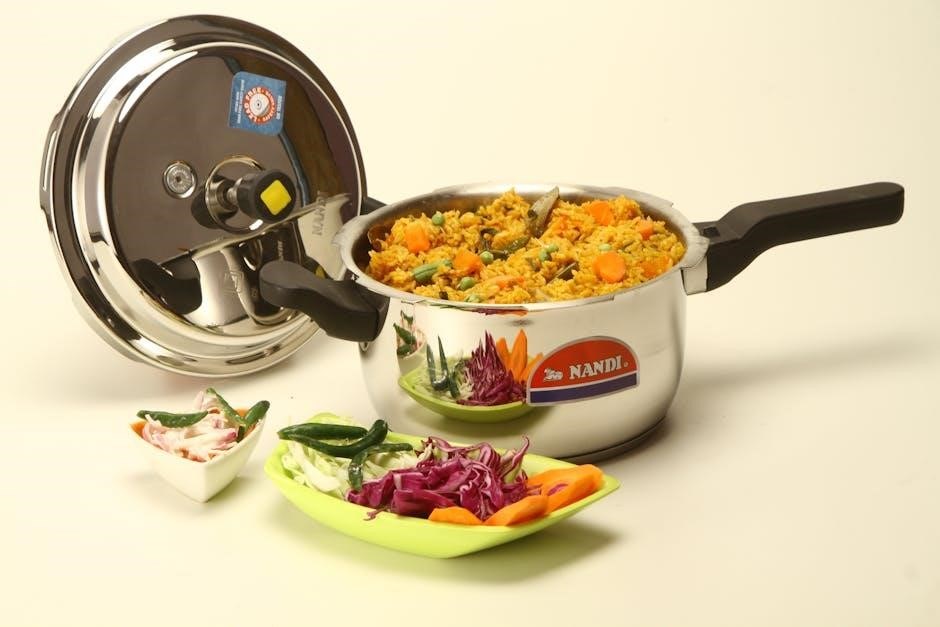
Dishwasher detergents can be abrasive over time, potentially causing damage. If using a dishwasher, select a gentle cycle and avoid harsh detergents.
The exterior housing should always be cleaned with a soft, damp cloth. Avoid immersing the cooker base in water, and never use abrasive cleaning pads or solutions.
Cleaning the Sealing Ring and Pressure Valve
Regular cleaning of the sealing ring is crucial, as it can absorb food odors and affect the cooker’s seal. Remove it after each use and wash it thoroughly with warm, soapy water.
Inspect the sealing ring for cracks or damage, replacing it if necessary to maintain proper pressure. The pressure valve should also be checked for blockages.
Ensure the valve is clear of debris to allow for safe and effective pressure release. Gently clean with a small brush and warm, soapy water, rinsing completely before reassembling.
Troubleshooting Common Issues
If you encounter a “Lid” error message, ensure the lid is properly aligned and securely locked into place. Check the sealing ring for correct placement and damage, as this often causes the issue.

Food burning at the bottom of the pot usually indicates insufficient liquid or too high a temperature. Always use the recommended liquid amount for your recipe.
Adjust cooking times and consider layering ingredients to prevent sticking and ensure even cooking. Refer to the manual for specific troubleshooting steps and contact support if needed.
“Lid” Error Message
The “Lid” error typically indicates the pressure cooker hasn’t detected a secure lid closure. First, ensure the lid is correctly aligned with the cooker base, matching the arrow indicators.
Next, verify the lid is firmly locked into position; a clicking sound confirms proper engagement. Inspect the sealing ring for any twists, tears, or debris, as these can prevent a tight seal.
Clean the sealing ring and lid thoroughly, then retry. If the error persists, consult the full instruction manual or contact Bella customer support for further assistance.
Food Burning at the Bottom of the Pot
Burning often occurs with insufficient liquid or foods high in sugar/starch settling and scorching. Always ensure adequate liquid levels are used, following recipe guidelines closely.
Consider layering ingredients, placing denser or stickier items on top to prevent direct contact with the pot’s base. A quick sauté function before pressure cooking can also help caramelize sugars.
Deglaze the pot after sautéing to lift any browned bits, preventing them from burning. Regularly check and stir during cooking, especially with thicker sauces or stews.
Replacing Parts
Maintaining your Bella Pressure Cooker requires occasional part replacements for continued safe and efficient operation. Replacement sealing rings are crucial, as they degrade over time, impacting pressure sealing.
Finding compatible rings involves checking the model number and size specifications. Replacement inner pots can also be purchased, especially if the original is damaged or worn.
Bella Housewares and various online retailers offer genuine replacement parts. Always verify compatibility before purchasing to ensure a proper fit and optimal performance of your appliance.
Finding Replacement Sealing Rings
Locating replacement sealing rings for your Bella Pressure Cooker is essential for maintaining a secure pressure seal. These rings degrade over time with use and heat exposure, impacting performance.
Bella Housewares’ website is a primary source, offering rings specifically designed for their models. Online retailers like Amazon also stock compatible options; however, verifying the correct size is vital.
Always confirm the ring matches your cooker’s model number to ensure a proper fit, preventing leaks and ensuring safe, effective pressure cooking.
Where to Purchase Replacement Inner Pots
Replacing the inner pot of your Bella Pressure Cooker might be necessary if it’s damaged or worn. Finding a suitable replacement ensures continued safe and efficient operation.
Bella Housewares’ official website is the first place to check for compatible inner pots, specifically designed for your model. Major online retailers, such as Amazon, frequently carry them as well.
Verify compatibility by cross-referencing the model number before purchasing, guaranteeing a proper fit and preventing issues during pressure cooking.
Tips and Tricks for Optimal Performance
Achieving perfect results with your Bella Pressure Cooker involves a few key techniques. Layering ingredients strategically—liquids first, then solids—promotes even cooking and prevents burning.
Adjusting liquid levels is crucial; ensure sufficient liquid for pressure to build, but avoid overfilling, which can cause issues. Experiment with recipes to find the sweet spot.
Proper sealing and valve function are vital for safe operation. Regularly inspect and clean these components for optimal performance and longevity of your appliance.
Layering Ingredients for Even Cooking
Strategic layering within the Bella Pressure Cooker’s inner pot is essential for consistent results. Begin by adding liquids – water, broth, or sauce – to the bottom, creating a heat transfer medium.
Next, introduce denser, longer-cooking ingredients like root vegetables or meats. Finally, place quicker-cooking items, such as delicate vegetables or pasta, on top.
This method ensures even heat distribution, preventing burning at the bottom and promoting uniform doneness throughout the dish, maximizing the cooker’s efficiency.
Adjusting Liquid Levels
Proper liquid levels are crucial for safe and effective pressure cooking with your Bella cooker. Always adhere to the minimum liquid requirements specified in recipes – typically at least one cup.
Insufficient liquid can cause scorching and trigger error messages, while excessive liquid may dilute flavors or prevent proper pressure build-up.
Consider ingredient moisture content; adjust accordingly. For example, reduce liquid when cooking foods releasing substantial moisture, like tomatoes, ensuring optimal results.
Understanding Pressure Cooking Terminology
Pressure cooking utilizes sealed environments to raise boiling points, drastically reducing cooking times. PSI (pounds per square inch) measures the pressure inside the cooker, impacting cooking speed and food texture.
Bella cookers typically offer High and Low pressure settings. High pressure is ideal for tougher cuts of meat and dense vegetables, while low pressure suits delicate foods.
Familiarizing yourself with these terms ensures you can accurately follow recipes and adjust cooking parameters for consistently delicious results with your Bella appliance.
What is PSI?
PSI, or pounds per square inch, is the unit measuring pressure within the Bella pressure cooker. It directly correlates to the boiling point of water; higher PSI means a higher boiling temperature.
Generally, Bella cookers operate at around 11-15 PSI on the high-pressure setting, equivalent to approximately 250-257°F. This elevated temperature cooks food significantly faster than conventional methods.
Understanding PSI allows for precise control over cooking, ensuring optimal tenderness for meats and proper texture for various ingredients, maximizing your Bella cooker’s potential.
High vs. Low Pressure Settings
Bella pressure cookers typically offer both high and low-pressure settings, impacting cooking time and food texture. High pressure, around 15 PSI, is ideal for tougher cuts of meat, beans, and stews, significantly reducing cooking duration.
Low pressure, generally around 7.5 PSI, is better suited for delicate foods like vegetables, fish, and grains, preventing overcooking and maintaining their structural integrity.
Choosing the correct setting ensures optimal results; high pressure for speed and low pressure for gentle, precise cooking, maximizing your Bella cooker’s versatility.

Bella Pressure Cooker vs. Instant Pot – Key Differences
While both Bella and Instant Pot are multi-cookers, key distinctions exist. A significant difference is the Bella Pressure Cooker often lacks dedicated “Manual” or “Pressure Cook” buttons, requiring users to adapt Instant Pot recipes accordingly.
Instant Pot generally boasts a wider range of pre-programmed settings and a more established recipe ecosystem. However, Bella offers comparable functionality at a potentially lower price point.
Ultimately, the choice depends on individual needs and budget, with both brands providing effective pressure cooking capabilities.
Warranty Information
Bella provides a warranty on its pressure cookers, protecting against manufacturing defects for a specified period. The duration and coverage details vary depending on the specific model and purchase date.
To initiate a warranty claim, retain your proof of purchase and contact Bella’s customer support team. They will guide you through the process, which may involve troubleshooting or returning the appliance for repair or replacement.
Review the warranty card included with your Bella Pressure Cooker for complete terms and conditions.
Frequently Asked Questions (FAQ)
Q: Why does my Bella Pressure Cooker display a “Lid” error? Ensure the lid is properly sealed and locked into place. Check the sealing ring for damage or debris.
Q: Can I adapt Instant Pot recipes for my Bella cooker? Yes, but note Bella lacks a dedicated “Manual/Pressure Cook” button; adjust settings accordingly.
Q: Where can I find replacement parts? Replacement sealing rings and inner pots are available online through Bella’s website and various retailers.
Resources and Support
For comprehensive assistance with your Bella Pressure Cooker, visit the official Bella Housewares website. Downloadable instruction manuals, including the 90073 model, are readily available there.
Explore online forums and communities dedicated to pressure cooking; users frequently share tips, recipes, and troubleshooting advice specific to Bella cookers.
Contact Bella’s customer support directly for personalized assistance with any issues or questions regarding your appliance’s operation or warranty claims.