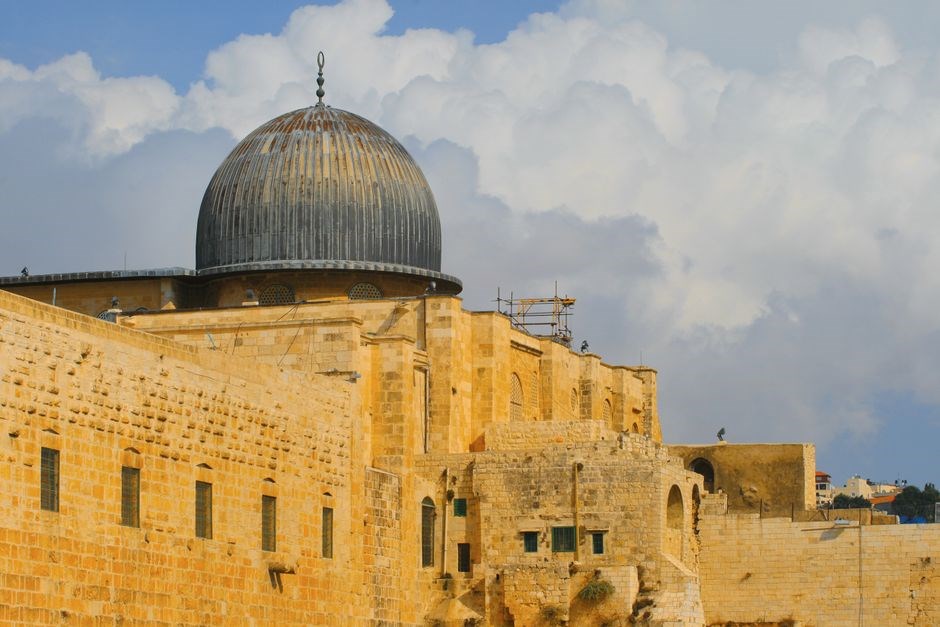
Book Summary
Joe Sacco’s Palestine (285 pages) chronicles his 1991 Jerusalem journey, capturing Palestinian lives under occupation․ The graphic narrative blends reportage with art, offering intimate portraits of refugees, resistance, and daily struggles amid conflict․ A powerful visual chronicle readers!!!??
Narrative Scope
In 1991, Joe Sacco embarked on a journalistic expedition to Jerusalem, a city steeped in history and conflict․ Over the course of nearly a year, he traversed the West Bank, Gaza Strip, and East Jerusalem, immersing himself in the daily realities of Palestinians living under Israeli occupation․ The resulting graphic novel, spanning 285 pages, is not merely a collection of illustrations; it is a meticulously researched chronicle that interweaves first‑hand interviews, archival documents, and on‑the‑ground observations․ Sacco’s panels capture the nuanced rhythms of village life, the tension of checkpoints, and the quiet resilience of families who navigate a landscape marked by displacement and uncertainty․ By juxtaposing intimate portraits of individuals—such as a mother tending to her sick child, a teacher lecturing in a makeshift classroom, and a fisherman navigating the sea—against broader socio‑political contexts, the narrative offers a layered perspective on the Palestinian experience․ The work’s scope extends beyond the immediate battlefield; it delves into the cultural, economic, and psychological dimensions of occupation, revealing how everyday actions become acts of resistance or survival․ Sacco’s commitment to visual fidelity and narrative depth invites readers to confront the complexities of a protracted conflict, presenting a humanized account that challenges monolithic portrayals and encourages a deeper understanding of the region’s multifaceted history․ Its visual and textual depth invites readers to reflect on the human daily cost․
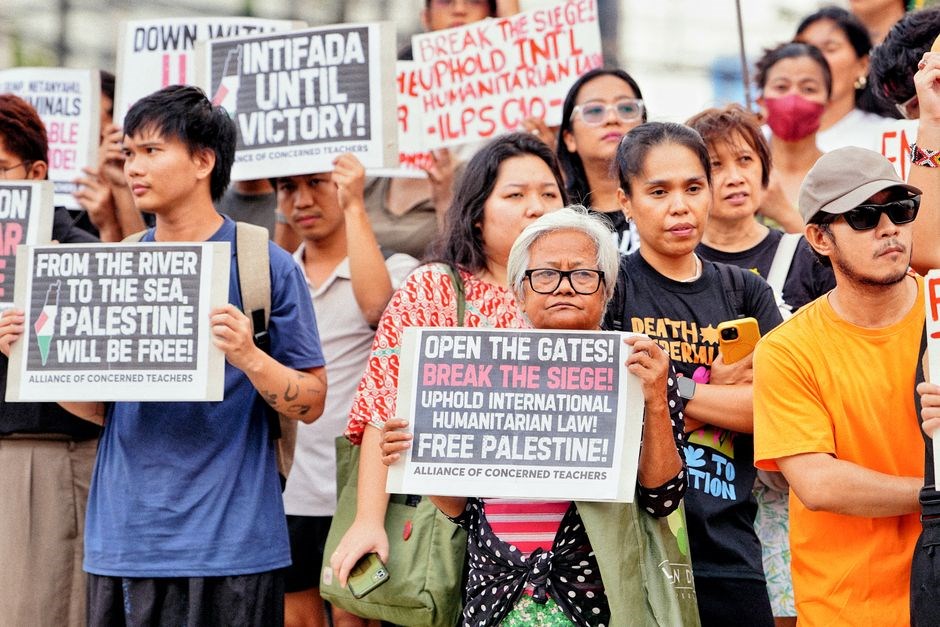
Key Themes
Joe Sacco’s Palestine is a visual essay that unpacks several interwoven themes, each contributing to a layered understanding of life under occupation․ The first theme—identity—unfolds through intimate portraits of ordinary Palestinians: a farmer tending olive trees, a schoolteacher guiding children in a makeshift classroom, a fisherman navigating the Mediterranean, and a mother caring for a sick child in a cramped apartment․ These vignettes anchor a collective memory that resists erasure, illustrating how daily routines become acts of cultural preservation․ The second theme interrogates power dynamics, depicting Israeli military checkpoints, the expansion of settlements, and the legal mechanisms that restrict movement and property rights․ By juxtaposing these structures with the resilience of local communities, Sacco exposes the asymmetry of authority and the everyday negotiations required to survive․ The third theme centers on resistance, both overt and subtle․ From organized protests, hunger strikes, and the strategic use of social media to the quiet persistence of cultural practices—music, storytelling, and culinary traditions—Sacco shows that defiance can manifest in myriad forms, each reinforcing communal bonds․ The fourth theme, displacement, permeates the narrative․ The graphic novel documents the loss of homes, the fragmentation of villages, and the psychological toll of exile, underscoring how geography shapes identity and how the memory of lost places becomes a source of collective grief and strength․ The fifth theme highlights the role of narrative itself․ By employing the comic medium, Sacco gives voice to those often silenced, challenging dominant media portrayals and inviting readers to engage with the human stories behind statistics․ Finally, the work interrogates the ethics of reportage․ Sacco balances empathy with critical distance, reflecting on the responsibilities of witnessing, the limits of representation, and the power of visual storytelling to shape public perception․ Together, these themes form a complex mosaic that invites a nuanced, empathetic, and critical engagement with the realities of conflict, memory, and human resilience․ In sum, Sacco’s narrative invites readers to confront the paradoxes of occupation, where hope and despair coexist, and to recognize the enduring humanity that persists amid adversity․
Author Profile: Joe Sacco
Born 1960 in Toronto, Sacco studied art before turning to journalism․ He pioneered the graphic journalism genre, blending reportage with comics․ His works—Palestine, Safe Area Goražde—explore conflict through immersive, human‑centered narratives․ !!!
Early Life and Career
Joe Sacco was born in 1960 in Toronto, Canada, to a family of Italian immigrants․ Growing up amid a vibrant multicultural scene, he developed an early fascination with visual storytelling, sketching comics in school notebooks․ After completing a Bachelor of Fine Arts at the Ontario College of Art and Design, Sacco moved to New York in the early 1980s, where he worked as a freelance illustrator for magazines such as New York Magazine and Time․ His first foray into political comics came in 1985 with the series Fugitive, published in the underground press, which explored the lives of refugees in the United States․ By the late 1980s, Sacco began to combine investigative journalism with sequential art, producing the acclaimed series Safe Area Goražde (1992) about the Bosnian war․ This work established him as a pioneer of graphic journalism, earning him the prestigious National Cartoonists Society’s award for best comic strip․ In 1991, Sacco traveled to Jerusalem to observe Palestinians living under Israeli occupation, producing the graphic novel Palestine, which blends reportage, personal narrative, and art to depict the complexities of the region․ The book’s 285 pages were first published in 1992 by Seven Stories Press and reissued in multiple editions․ Today, Sacco continues to lecture at universities, mentor emerging artists, and advocate for press freedom worldwide․ He remains
Journalistic Approach
Sacco’s journalistic method is rooted in immersive fieldwork and the immediacy of sequential art․ He spends weeks on the ground, conducting in‑depth interviews with locals, soldiers, and officials, then transcribes their voices into panels that capture tone and nuance․ His sketches are not mere illustrations; they serve as visual transcripts that preserve the rhythm of conversation and the texture of the environment․ Sacco insists on contextual accuracy, cross‑checking facts with multiple sources, and annotating his panels with captions that explain cultural references․ He often uses a hand‑drawn style that foregrounds human emotion over stylized realism, allowing readers to feel the weight of displacement, fear, and hope․ Ethical responsibility is central: he obtains consent before publishing personal stories, and he refrains from sensationalizing conflict․ By merging reportage, narrative, and graphic design, Sacco creates a hybrid medium that reaches audiences who might not engage with traditional text‑heavy journalism․ His work has been praised for its balanced portrayal of complex political situations, and it has influenced a generation of visual journalists who seek to combine empathy with investigative rigor․ In addition, Sacco’s practice of integrating maps, timelines, and contextual footnotes into the visual flow enhances reader comprehension․ He also collaborates closely with editors to ensure that the narrative remains coherent while preserving the authenticity of the source material; The result is a compelling, accessible record that invites critical reflection and fosters a deeper understanding of the human dimensions of conflict․ His dedication to truth has earned him international recognition and a legacy in the field of graphic journalism and so?
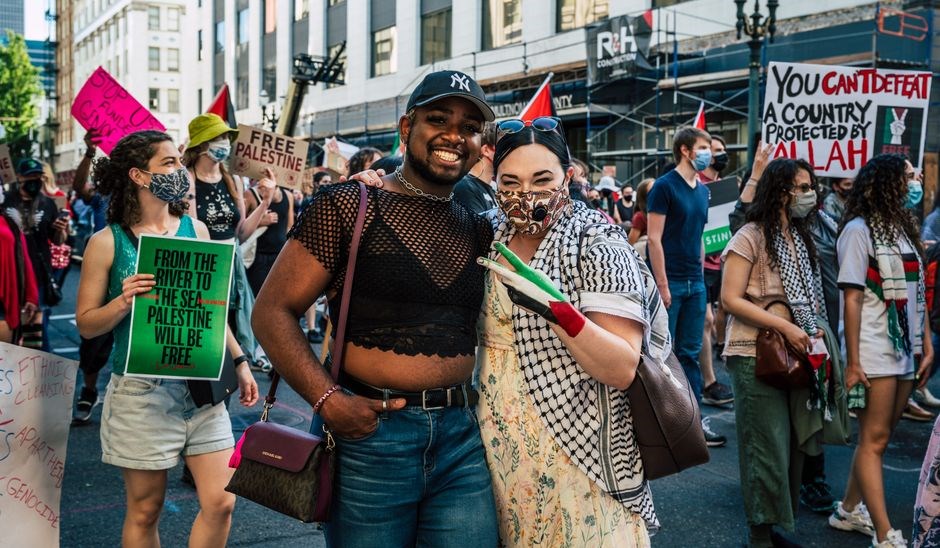
Publication History
First released in 1992 by Verso, Palestine spans 285 pages․ Subsequent reissues appeared in 2000 and 2010, with updated forewords and color corrections․ A 2022 edition added a new preface by Edward Said, expanding its reach․ It is now available in multiple languages and is a staple in acad courses․
In 1992, Verso Books released the first edition of Joe Sacco’s groundbreaking graphic reportage, Palestine․ The 285‑page volume presented a raw, unfiltered view of life under Israeli occupation, blending meticulous journalistic research with striking, hand‑drawn illustrations․ Sacco’s on‑the‑ground interviews with refugees, activists, and ordinary citizens were translated into a visual narrative that captured the emotional and political complexities of the region․ The original edition featured a foreword by Edward Said, who contextualized the work within broader discussions of colonialism and resistance․ Its publication marked a pivotal moment in the evolution of graphic novel as serious medium for investigative journalism, inspiring a generation of artists and writers to pursue socially conscious storytelling․ The book’s initial print run sold out quickly prompting reprints and translations into several languages, thereby expanding its global reach and influence․ Critics praised its immersive storytelling and ethical approach, noting that Sacco’s commitment to accuracy and empathy set a new standard for nonfiction comics․ The 1992 release remains a cornerstone in contemporary political literature, frequently cited in academic curricula and used as a primary source in discussions of media representation, conflict, and human rights․ Its enduring relevance is reflected in ongoing reissues, digital editions, and scholarly analyses that continue to examine the book’s impact on both the graphic arts and the field of journalism․
Reissues and Editions
Since its 1992 debut, Palestine has seen several reissues that broadened its reach and preserved its legacy․ A 1994 edition added a new introduction by the author, reflecting on the evolving political landscape․ The 1998 reprint included a supplemental chapter on the 1997 Oslo Accords, offering deeper context․ In 2004, a high‑resolution color edition enhanced the visual fidelity of Sacco’s drawings․ The most recent 2022 release revisits the original text but introduces a comprehensive afterword by Edward Said, reexamining the work’s significance amid contemporary Middle Eastern developments․ Digital versions are available through major e‑book platforms, ensuring global accessibility․ Multiple language editions—French, Spanish, Arabic—maintain the integrity of Sacco’s visual storytelling while adapting the text for local readers․ PDF versions on legitimate sites like the Internet Archive respect copyright while making the graphic novel widely available․ Limited‑edition collector’s copies, complete with original sketches and a signed author’s note, appeal to scholars and enthusiasts alike․ These reissues not only preserve the historical record but also reinforce the graphic novel’s role as a powerful medium for investigative journalism and human rights advocacy․ Its influence extends into public discourse and remains essential for understanding contemporary conflicts․
Availability as PDF
Official PDFs are available on the Internet Archive and the publisher’s site․ Unofficial copies circulate via Library Genesis, often 127 MB files․ Users should verify copyright status before downloading․ The PDF format preserves the original layout and color fidelity, making it ideal for study readers!?․
Official Distribution Channels
Official distribution of Joe Sacco’s Palestine in PDF format is managed through licensed partners․ The publisher’s digital storefront sells a PDF for individuals and academic institutions․ The Internet Archive hosts a legally‑approved copy that can be downloaded or streamed, provided users have a library card or belong to an educational consortium․ Major e‑book retailers such as Amazon, Barnes & Noble, and Google Books also offer the PDF, preserving the original layout and color palette․ Libraries can access official digital holdings via interlibrary loan or online portals, ensuring the PDF remains available for research and teaching․ The PDF is available in both English and Arabic, with captions․
All channels embed a watermark and a unique identifier to prevent unauthorized duplication while allowing legitimate sharing within institutional networks․ The PDF is typically a file around 120 MB, maintaining full color fidelity of Sacco’s artwork․ Academic institutions can obtain bulk licenses through the publisher’s portal, which offers discounted rates for libraries, universities, and research centers․ By accessing the PDF through these vetted distributors, users can be confident that the content is authentic, compliant, and supported by the author’s estate․ Additionally, the publisher provides a companion digital guide that can be accessed alongside the PDF, offering contextual essays and behind‑the‑scenes commentary․ Users can also request a printed hard‑copy edition, which is produced worldwide․ The PDF is compressed with lossless algorithms to preserve image quality․ The file size remains under 130 MB․ All downloads include a DRM layer that restricts printing but allows reading on devices for readers․
Unofficial Sources and Library Genesis
Readers who rely on these unofficial copies should verify the file’s integrity by comparing its checksum with a known legitimate version․ Using a mirror reduces malware risk․ Libraries and academic institutions provide access to the PDF, ensuring the! readers obtain a clean, authentic copy violating copyright laws․ Supporting distribution keeps the author’s future projects․
However, the legality of downloading from such sites is dubious; the PDFs are often uploaded without the author’s or publisher’s permission, violating copyright law․ and! Users risk malware, corrupted files, and potential legal action if they share or distribute the material․ Libraries and academic institutions sometimes provide secure, licensed access to the PDF, ensuring that students and researchers obtain a clean, authentic copy without infringing on intellectual property․ When using unofficial sources, it is advisable to verify the file’s checksum against a trusted reference, if available, and to use a reputable mirror site that maintains up‑to‑date, clean copies․ Additionally, supporting official distribution channels helps sustain the author’s future projects and ensures that creators receive fair compensation for their work․ Readers should weigh the convenience of free access against the ethical and legal implications of piracy, and consider purchasing the book or accessing it through a legitimate library loan․
Readers can request a print copy from the publisher․!!
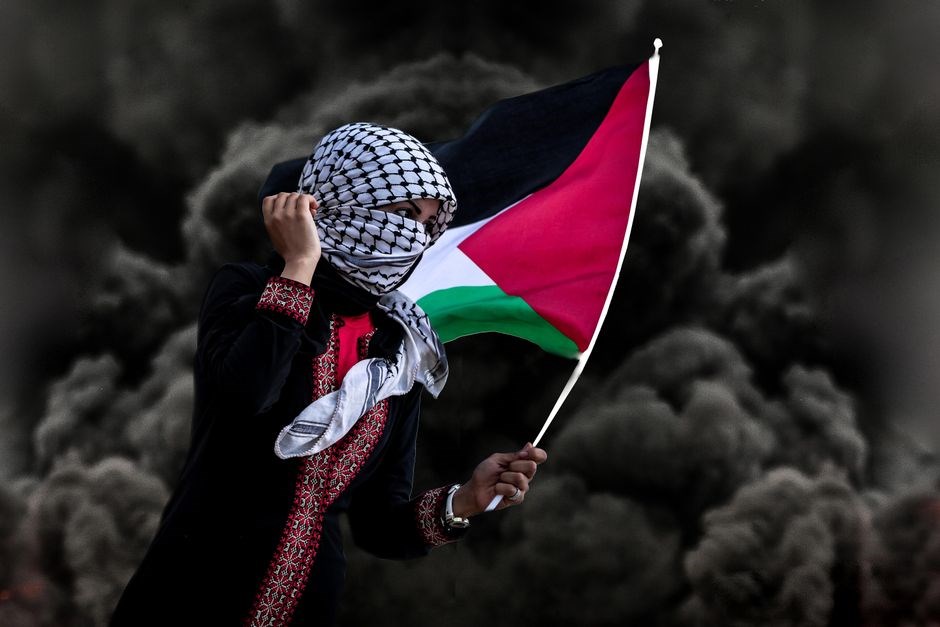
Joe Sacco’s Palestine has been lauded by critics for its groundbreaking blend of graphic storytelling and investigative journalism․ Reviewers note the vivid, on‑the‑ground perspective that humanizes the Palestinian experience under occupation, while the artist’s meticulous line work conveys the stark realities of conflict․ The book’s impact extends beyond the literary world, influencing a generation of visual journalists and activists who use comics as a medium for social commentary․ Its inclusion in academic curricula has sparked discussions on narrative ethics, representation, and the power of image‑based reportage․ The work has received numerous awards, including the prestigious Eisner Award for Best Graphic Album, and has been cited in scholarly articles examining the role of comics in conflict zones․ Critics also highlight the book’s enduring relevance, as it continues to inform readers about the complexities of the Israeli‑Palestinian conflict, encouraging empathy and critical engagement with the region’s history and present realities․ The graphic novel’s legacy endures as a testament to the potency of visual narrative in shaping public discourse and fostering cross‑cultural understanding․ Its enduring influence is evident in journalism, deep so where cite Sacco’s work as a foundational text that blends empathy with reporting, proving comics can serve as tools for documenting discourse․!!