Joshua Tree Bouldering Guide: A Comprehensive Overview
Joshua Tree, a sun-soaked desert playground, invites climbers of all levels to explore its unique terrain and challenging problems, offering family-friendly adventures․
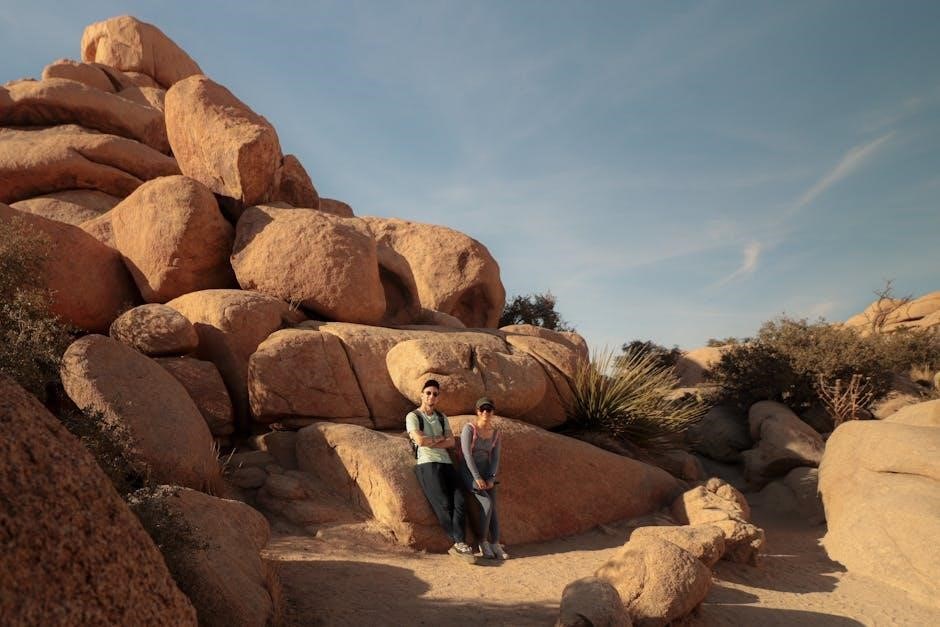
Joshua Tree National Park stands as a premier bouldering destination, renowned for its otherworldly landscape and abundance of granite formations․ Unlike many climbing areas focused solely on roped climbing, Joshua Tree truly shines as a bouldering haven, attracting climbers globally with its unique challenges and aesthetic beauty․ The park’s relatively moderate climate during the fall, winter, and spring months further enhances its appeal, making it accessible for extended periods․
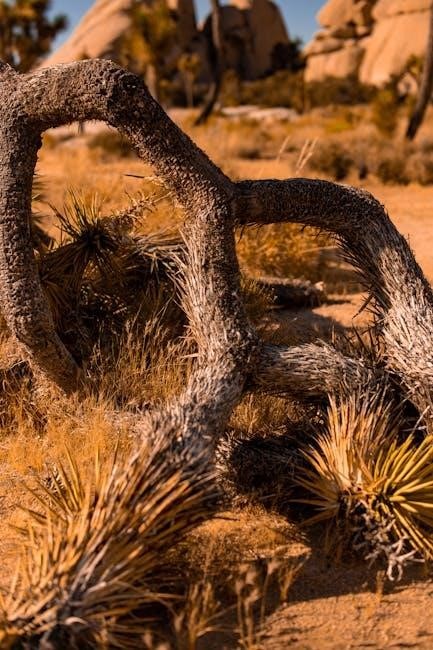
Whether you’re a seasoned veteran or a complete beginner, Joshua Tree offers a diverse range of problems to suit all skill levels․ The park’s character is defined by its friction-dependent climbing on rounded, sculpted rock, demanding technique and body positioning․ It’s a place where you can easily spend days, even weeks, discovering new lines and immersing yourself in the desert environment․ The park’s accessibility and family-friendly atmosphere add to its charm․
The Unique Geology of Joshua Tree & Its Impact on Bouldering
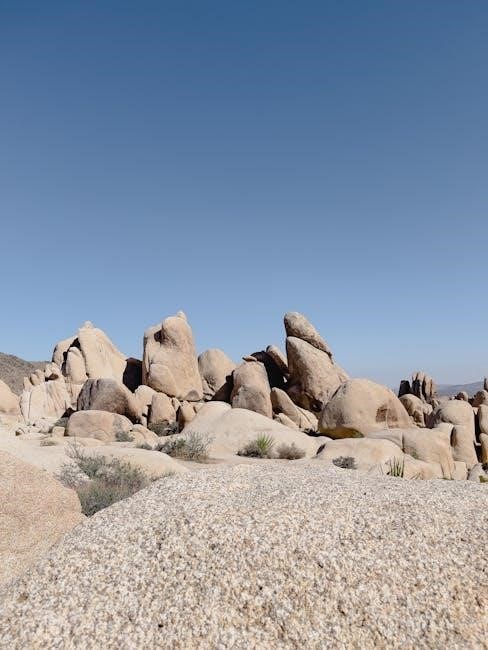
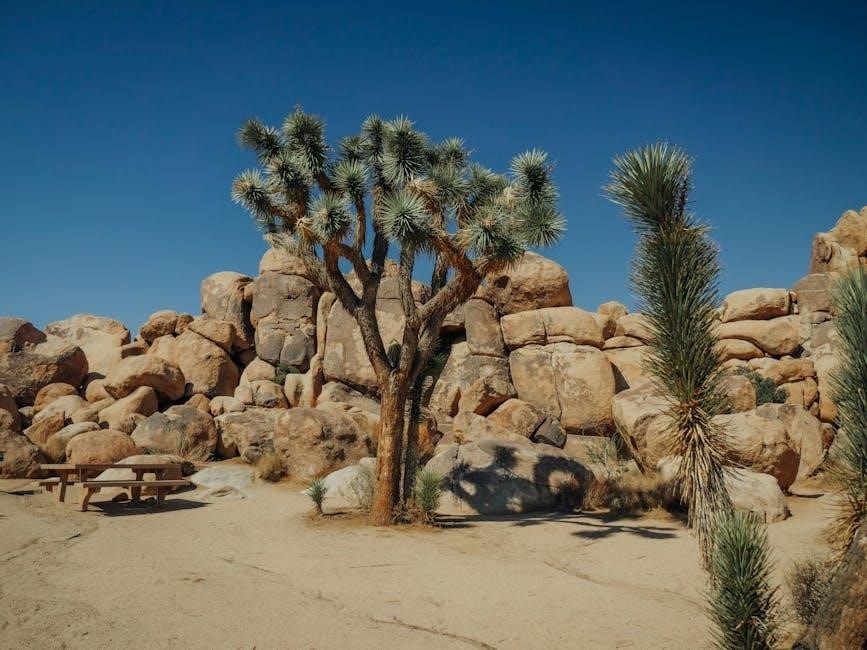
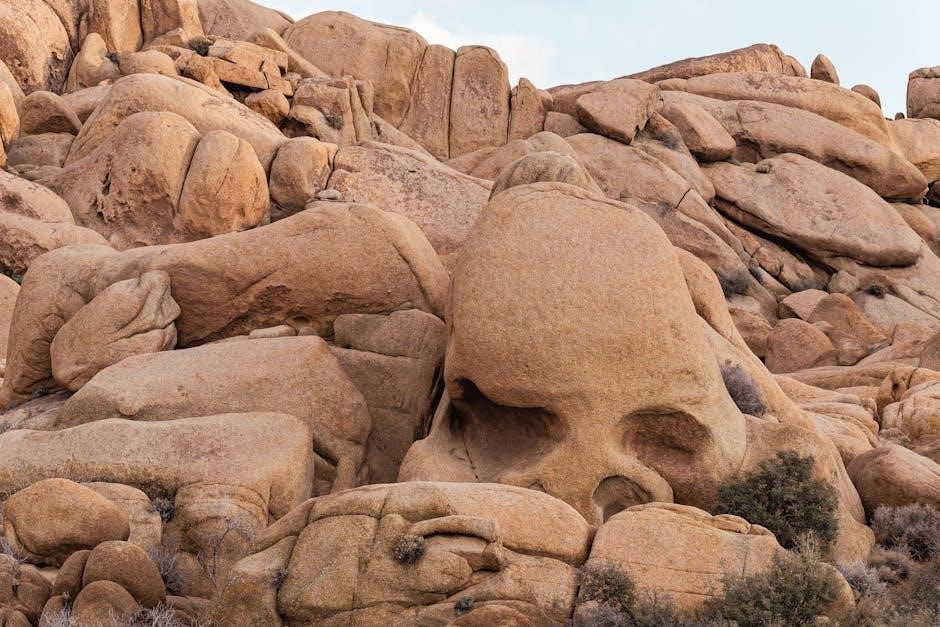
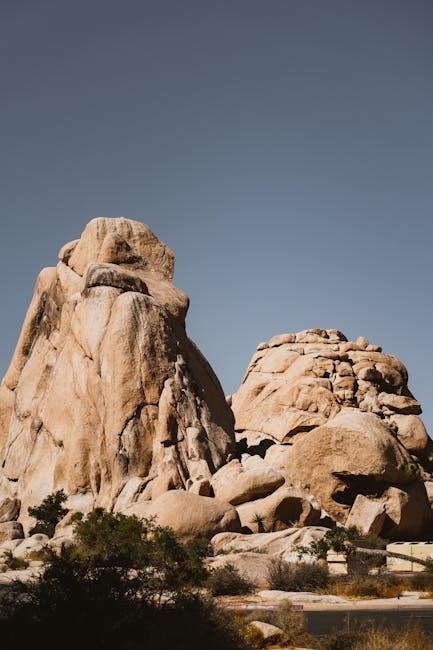
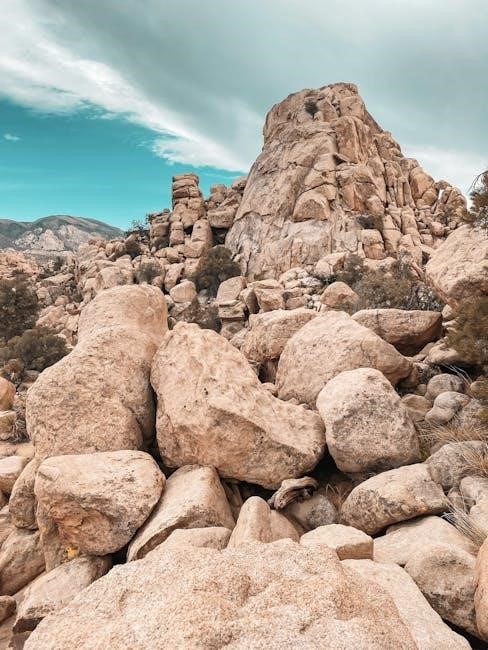
Joshua Tree’s distinctive bouldering character stems directly from its unique geological history․ The park’s rock formations are primarily composed of quartz monzonite, an igneous rock formed from slowly cooling magma beneath the surface․ Millions of years of erosion, driven by wind and water, have sculpted these massive granite boulders into the rounded, often featureless shapes that define the landscape․
This geological process creates a climbing style heavily reliant on friction and precise footwork․ Holds are often rounded and sloping, requiring climbers to trust their rubber and maintain impeccable body tension․ The lack of prominent features necessitates creative problem-solving and dynamic movement․ The smooth, polished surfaces also mean cleanliness is crucial for optimal grip; dust and dirt significantly reduce friction․ This unique geology is what sets Joshua Tree bouldering apart․
Bouldering Grades and Systems Used in Joshua Tree
Joshua Tree predominantly utilizes the V-Scale, developed by John Sherman, for grading bouldering problems․ This system ranges from V0, representing the easiest climbs, to V16, denoting the most difficult․ However, Joshua Tree’s grading can be notoriously subjective and sandbagging (undergrading) is common, particularly on older problems․ Expect a V2 to feel harder than a V2 elsewhere!
The V-Scale is logarithmic, meaning the difficulty increases exponentially with each number․ A V6 is significantly harder than a V5․ Climbers often describe Joshua Tree grades as “stiff,” meaning problems tend to feel harder than their numerical grade suggests․ Newer problems are generally graded more consistently․ Familiarizing yourself with local consensus and seeking beta (advice) from experienced Joshua Tree boulderers is highly recommended for accurate expectations;
Essential Gear for Joshua Tree Bouldering
Bouldering in Joshua Tree demands specific gear due to the unique desert environment and rock type․ A crash pad is absolutely essential – the landings are often uneven and rocky․ Bring at least one, preferably two, for adequate protection․ Climbing shoes are crucial for the friction-dependent granite․ Chalk and a chalk bag will significantly improve your grip․
Beyond climbing-specific gear, desert preparedness is key․ Pack plenty of water – hydration is paramount․ Sunscreen, a hat, and sunglasses are vital for protection from the intense sun․ Layers of clothing are recommended as temperatures can fluctuate dramatically․ A first-aid kit, including blister treatment, is also highly advisable․ Consider bringing a brush to clean holds and a small tarp to protect your gear from the abrasive sand․
Top Bouldering Areas in Joshua Tree
Joshua Tree boasts a wealth of bouldering areas, each with its distinct character․ Hidden Valley Campground is arguably the most popular, offering a high concentration of problems across all grades, perfect for beginners and experts alike․ Indian Cove provides a more secluded experience with fantastic, high-quality granite and challenging lines․ For a slightly different flavor, explore the Ryan Mountain Area, known for its scenic views and technical climbs․
Beyond these main hubs, areas like Intersection Rock and Jumbo Rocks offer further exploration․ The Wonderland of Rocks presents a more remote and adventurous experience․ Remember to consult recent guidebooks or online resources to discover new areas and stay updated on access restrictions․ Each area presents unique challenges and rewards, ensuring a diverse and fulfilling bouldering experience․
Hidden Valley Campground Bouldering
Hidden Valley Campground is a cornerstone of Joshua Tree bouldering, renowned for its accessibility and density of problems․ This area caters to all skill levels, from absolute beginners to seasoned climbers․ Expect to find a wide variety of rock features, including rounded domes, sharp edges, and technical faces․ Popular sectors include the main campground area and nearby formations like Turtle Rock․
The concentration of climbs means it can get crowded, especially on weekends․ Early mornings or weekdays offer a more peaceful experience․ Many classic problems are easily accessible, making it ideal for quick sessions․ Be mindful of other climbers and practice responsible spotting․ Hidden Valley truly embodies the spirit of Joshua Tree bouldering, offering a fantastic introduction to the park’s unique style․
Indian Cove Bouldering
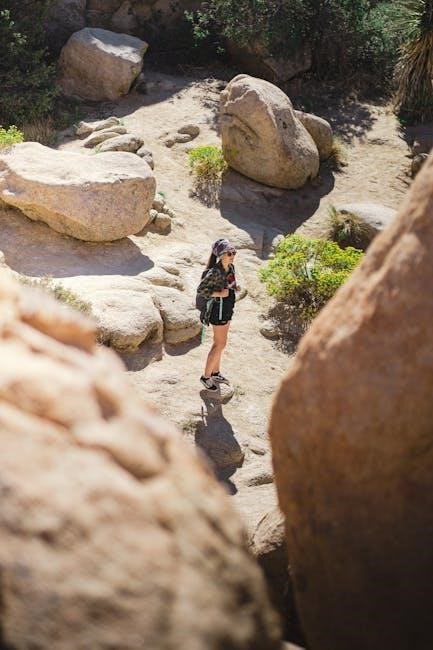
Indian Cove presents a distinctly different bouldering experience compared to Hidden Valley, characterized by its taller, more technical problems and generally quieter atmosphere․ The rock here is often smoother and requires more precise footwork and body positioning․ This area is particularly appealing to intermediate and advanced climbers seeking a challenge․ Expect sustained climbs and powerful moves on beautiful granite․
The campground at Indian Cove offers convenient access, but it’s smaller and fills up quickly, especially during peak season․ Many problems are spread out, requiring some hiking between sectors․ Bring plenty of water and be prepared for exposure to the sun․ Indian Cove provides a rewarding experience for those willing to explore its unique offerings․
Ryan Mountain Area Bouldering
Ryan Mountain, while known for its popular hiking trail, also boasts a growing bouldering scene, offering a diverse range of problems tucked away amongst the granite formations․ This area tends to be less crowded than Hidden Valley or Indian Cove, providing a more secluded climbing experience․ The style varies considerably, with options for beginners and experienced boulderers alike․
Expect to find problems requiring a mix of crimping, slopers, and dynamic moves․ The landings can sometimes be uneven, so careful spotting is crucial․ Access involves a short approach, and the area benefits from some shade during certain times of the day․ Ryan Mountain is a fantastic option for a quieter day of bouldering in Joshua Tree․
Popular Bouldering Problems & Their Difficulty
Joshua Tree is renowned for its iconic boulder problems, attracting climbers seeking unique challenges․ “The Egg” (V2) is a classic, easily identifiable by its egg-shaped form, offering a fun and accessible climb for beginners․ “Interstellar Space” (V4) presents a more technical challenge, demanding precise footwork and body positioning on a smooth, featured face․
For those seeking a serious test, “Planet X” (V6) is a powerful and dynamic problem requiring significant strength and coordination․ These are just a few examples; the park is brimming with problems across all grades․ Difficulty ratings are subjective, but provide a general guideline for assessing the challenge․
“The Egg” (V2)
“The Egg” is arguably Joshua Tree’s most famous boulder problem, instantly recognizable by its distinctive, rounded shape․ Graded at V2, it’s a perfect introduction to the park’s unique granite and a popular choice for beginner and intermediate climbers․ The problem involves stemming and palming your way up the smooth, overhanging surface․
Despite its relatively low grade, “The Egg” requires technique and body awareness․ The holds are minimal, demanding precise footwork and efficient movement․ It’s often crowded, so patience may be needed․ Successfully topping out “The Egg” is a rite of passage for many Joshua Tree visitors, offering a rewarding experience and stunning views․
“Interstellar Space” (V4)
“Interstellar Space”, a V4 problem, presents a more substantial challenge than “The Egg”, demanding greater strength and technique․ Located near Hidden Valley Campground, this problem features a powerful start leading into a delicate balance section․ Climbers must navigate a series of sloping holds and a tricky mantle to reach the top․
The name reflects the feeling of exposure and the seemingly endless rock surrounding the boulder․ It’s a visually striking line that attracts climbers seeking a classic Joshua Tree experience․ Proper spotting is crucial due to the height and potential for awkward falls․ “Interstellar Space” is a test piece, rewarding climbers with a satisfying ascent and breathtaking desert vistas․
“Planet X” (V6)
“Planet X”, a V6, significantly ups the ante in difficulty, demanding considerable power, precision, and body tension․ This iconic problem, found within the Hidden Valley area, is renowned for its challenging sequence of crimps and dynamic moves․ Climbers must execute a powerful deadpoint to a small, sloping hold, followed by a controlled lock-off and a reach for the finishing jug․
The boulder itself feels otherworldly, contributing to the problem’s name․ “Planet X” is a popular test piece for intermediate to advanced boulderers, offering a rewarding challenge and a sense of accomplishment․ Careful attention to footwork and a strong core are essential for success․ Spotting is highly recommended due to the height and technical nature of the climb․
Safety Considerations for Joshua Tree Bouldering
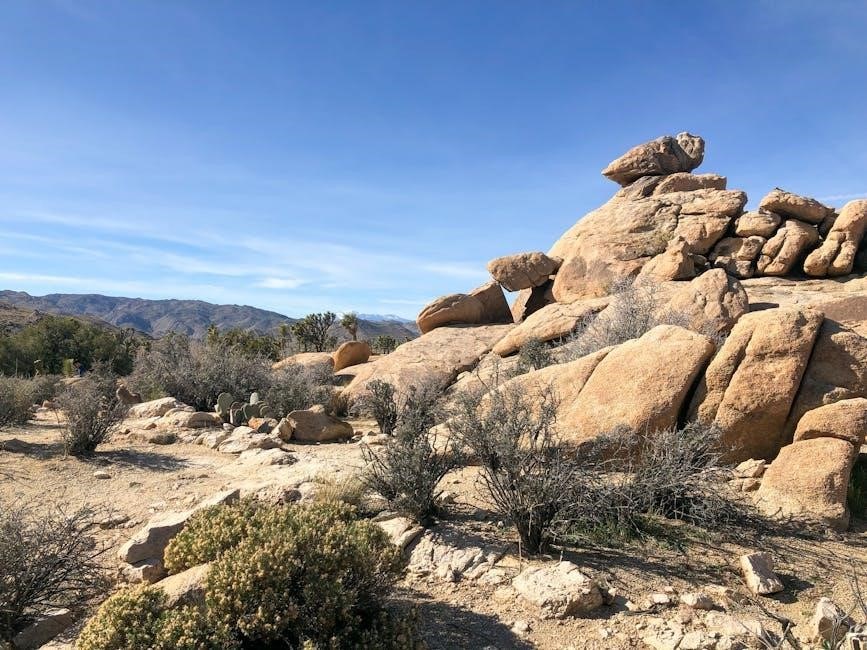
Joshua Tree’s remote desert environment necessitates heightened safety awareness․ Fall zones are often uneven and rocky; thoroughly assess the landing area before each attempt, clearing any loose debris․ Effective spotting is crucial – spotters should focus on guiding the climber’s upper body and protecting their head and neck․ Communication is key!
Desert hazards pose significant risks․ Intense heat and relentless sun demand ample hydration, sunscreen, and appropriate clothing․ Be mindful of local wildlife, including rattlesnakes and scorpions․ Carry a first-aid kit and know how to use it․ Inform someone of your climbing plans and expected return time․ Prioritize caution and preparedness to enjoy a safe climbing experience․
Fall Zones and Spotting Techniques
Joshua Tree’s bouldering terrain often presents challenging fall zones – uneven rock, bushes, and hidden obstacles are common․ Meticulously inspect the landing area before each climb, removing loose rocks and ensuring adequate space․ Visualize potential fall lines and identify hazards․ A clear, flat landing is ideal, but rarely guaranteed․
Effective spotting is paramount․ Spotters should maintain a focused, athletic stance, hands up and ready to guide the climber’s descent․ Prioritize protecting the head and neck, and aim to control the climber’s upper body․ Communicate clearly – “on,” “spotting,” and “clear” are essential cues․ Never spot beyond your capabilities; know your limits and ask for assistance if needed․
Desert Hazards: Heat, Sun, and Wildlife
Joshua Tree’s desert environment presents unique challenges․ Intense heat is a significant risk, especially during summer months; climb early or late, and hydrate consistently with plenty of water․ The relentless sun demands comprehensive protection – wear a hat, sunglasses, and high-SPF sunscreen, reapplying frequently․ Be mindful of sun exposure even on cloudy days․
Wildlife encounters are possible․ Rattlesnakes are present; scan your surroundings and avoid reaching into unseen crevices․ Scorpions and other insects can deliver painful stings․ Respect all wildlife, maintaining a safe distance․ Carry a basic first-aid kit equipped to handle bites and stings, and know how to use it․ Awareness is key to a safe climbing experience․
Responsible Bouldering Ethics & Leave No Trace
Joshua Tree’s fragile desert ecosystem requires mindful climbing practices․ Practice “Leave No Trace” principles: pack out everything you pack in, including trash and organic waste․ Minimize impact by using existing trails and avoiding disturbance to vegetation․ Brush holds clean of chalk, but avoid excessive brushing that can erode the rock․
Respect the area’s natural beauty and other climbers․ Avoid creating new trails or problems․ Be considerate of noise levels․ Share the boulders and be patient during busy times․ Support local climbing organizations dedicated to preserving Joshua Tree for future generations․ Responsible climbing ensures continued access and protects this unique environment․
Planning Your Trip: Best Time to Visit
Joshua Tree experiences extreme temperatures, making timing crucial for a comfortable climbing trip․ The optimal seasons are fall (October-November) and spring (March-May), offering moderate daytime temperatures and cooler evenings․ Winter (December-February) can be pleasant during the day, but nights get very cold, requiring appropriate gear․
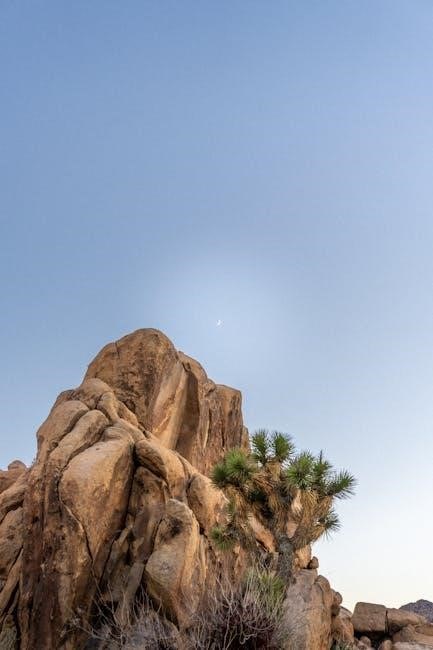
Avoid climbing during the peak summer months (June-September) due to scorching heat, which can be dangerous even with early starts․ Weekdays are generally less crowded than weekends, especially during peak season․ Book campsites well in advance, as they fill up quickly․ Check the park’s website for current conditions and alerts before your visit․
Resources for Joshua Tree Bouldering
Numerous resources aid in planning and executing a successful Joshua Tree bouldering trip․ Online guidebooks, such as Mountain Project, provide detailed information on problems, ratings, and approach beta․ Dedicated apps, like Rakkup and 8a․nu, offer mobile access to climbing information and GPS locations․
For physical guides, consider purchasing a printed guidebook from local climbing shops․ These shops, often found in nearby towns like Joshua Tree and Yucca Valley, also offer gear rentals and expert advice․ Hiring a local guide can significantly enhance your experience, especially if you’re unfamiliar with the area or seeking to improve your technique․ Remember to check for updated conditions and closures before heading out!
Online Guidebooks and Apps
Digital resources are invaluable for Joshua Tree bouldering․ Mountain Project stands out as a comprehensive online guidebook, boasting detailed problem descriptions, user photos, and approach information․ Rakkup is a popular mobile app offering offline access to climbing areas and problems, utilizing GPS for easy navigation․
8a․nu provides a global climbing database, including Joshua Tree, with a focus on difficulty ratings and ticklists․ These platforms often feature user comments and condition updates, crucial for staying informed․ Utilizing these tools allows for efficient trip planning and on-the-go problem discovery, enhancing your bouldering adventure within the park’s vast landscape․
Local Climbing Shops and Guides
For gear and expertise, several shops near Joshua Tree cater to climbers․ Peak Season Joshua Tree offers a curated selection of bouldering equipment, including pads, shoes, and chalk, alongside local beta․ Additionally, Nomad Ventures provides rentals and a knowledgeable staff ready to assist with trip planning․
Considering a guided experience? Several companies offer instruction and guided bouldering days․ Joshua Tree Rock Climbing School provides lessons for all skill levels, ensuring a safe and enjoyable introduction to the area’s unique style․ Hiring a local guide can unlock hidden gems and provide valuable insights into responsible climbing practices within this fragile desert environment․